Book two of the Walk the Bible collection
The Bible spends whole chapters on cubits, courts, curtains and doorways. Most readers skim those chapters, because there is nothing to picture. This book draws every one of those buildings in plan, in section and in 3D, to the sizes the text actually gives.
Plan, section and 3D Cubits in feet and metres Ready to print
Every drawing names the verses it came from. Where 1 Kings and 2 Chronicles give different numbers, the page prints both instead of quietly picking one.
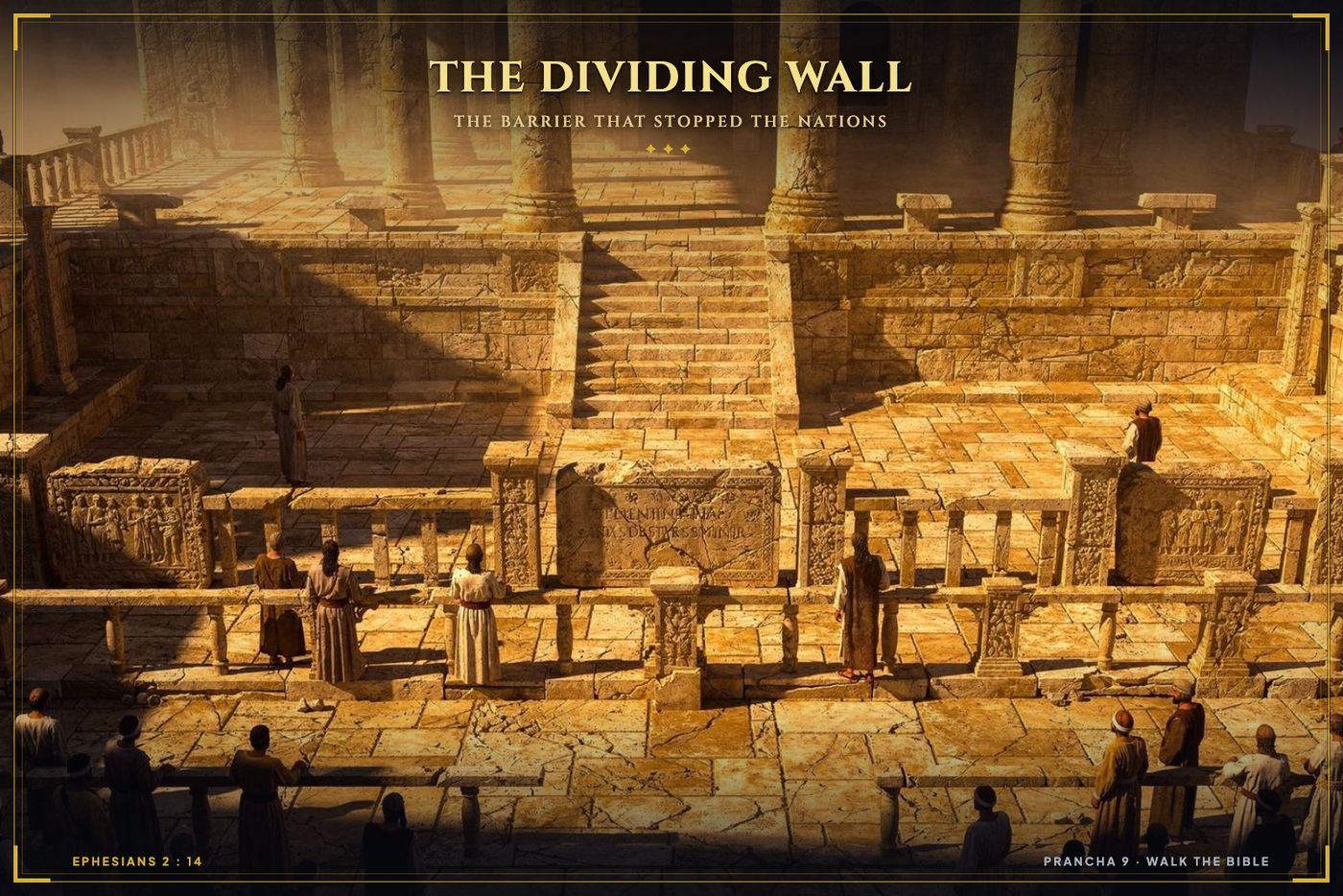
Each one let fewer people through. Click a layer to see what stood there, and who was turned back.
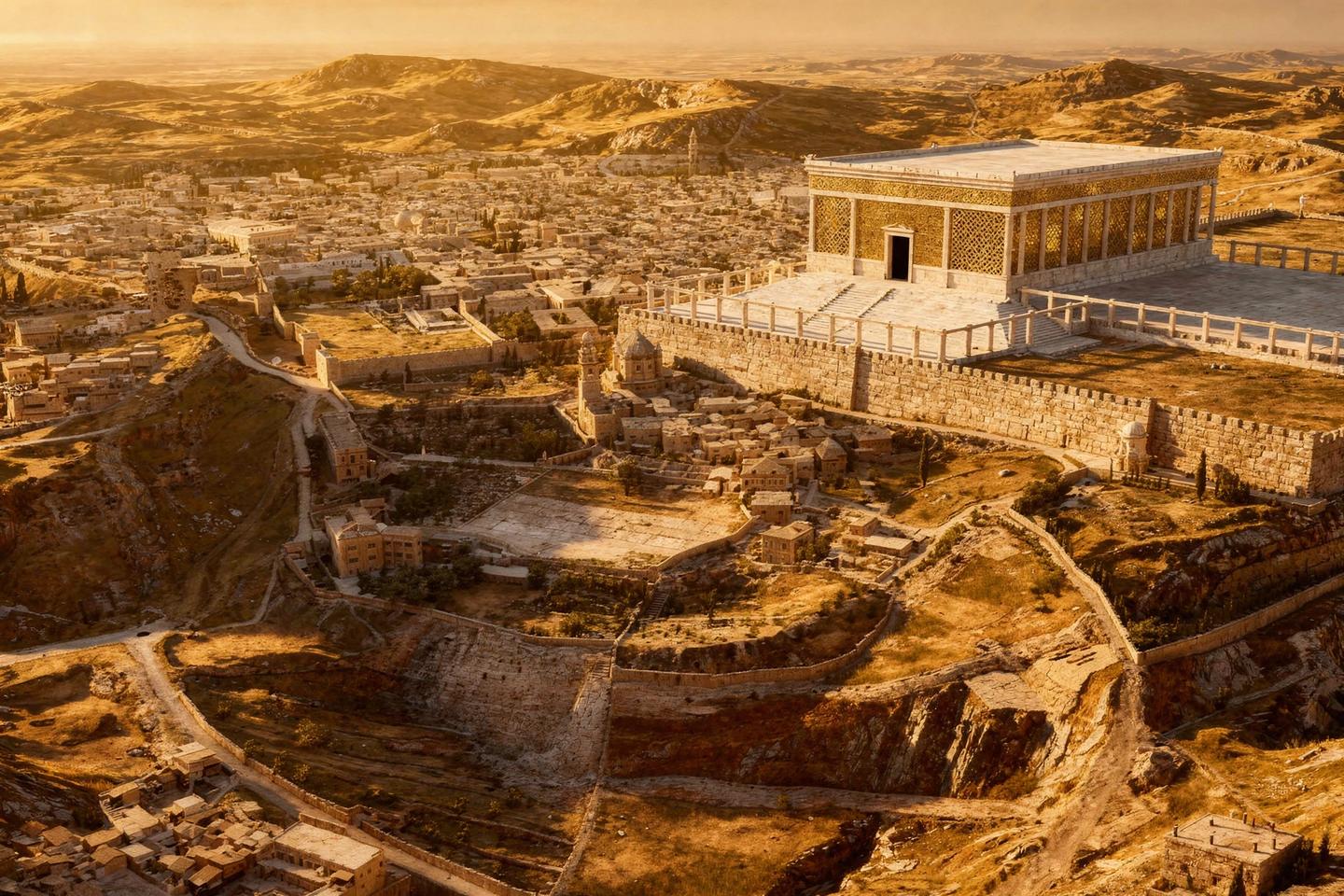
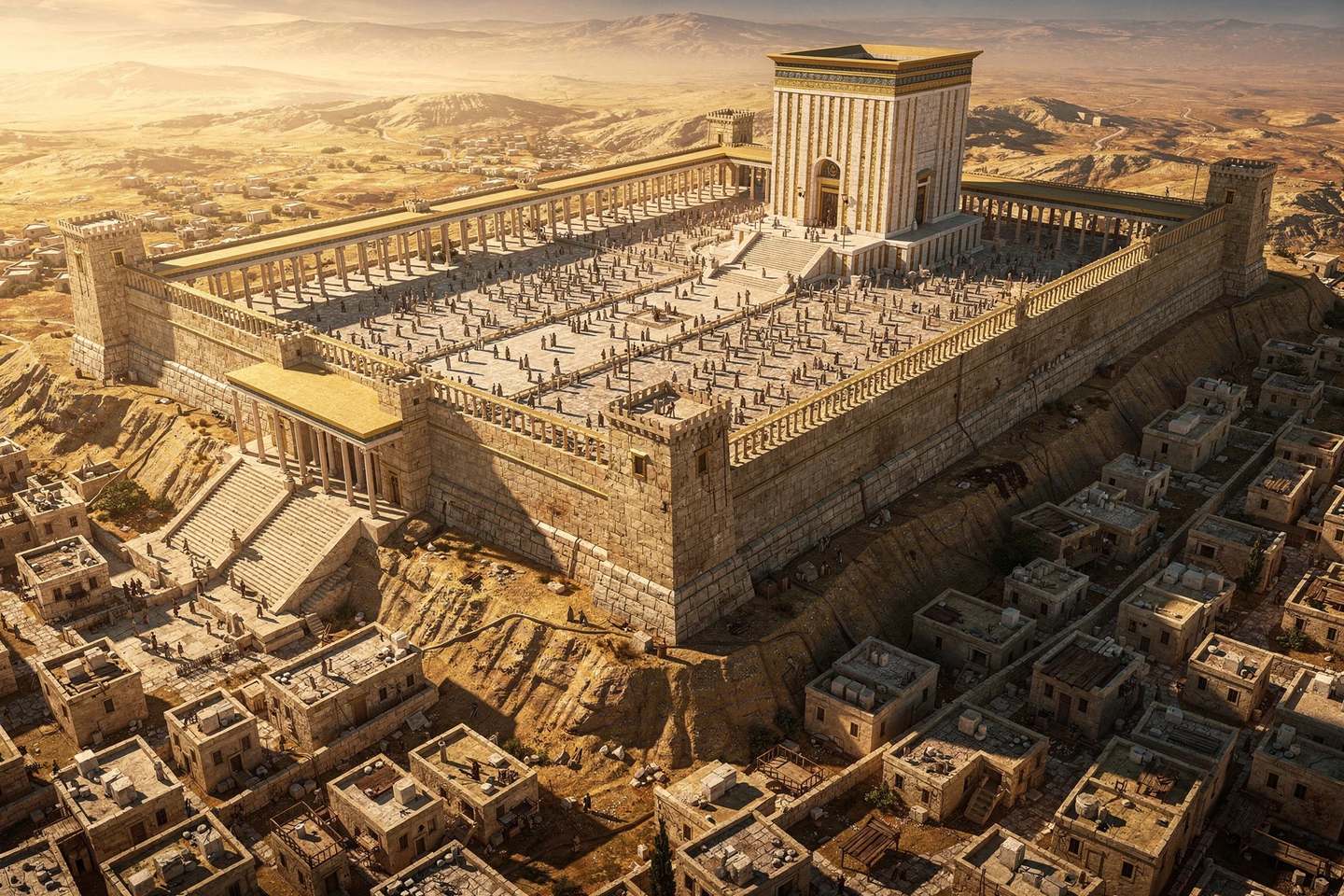
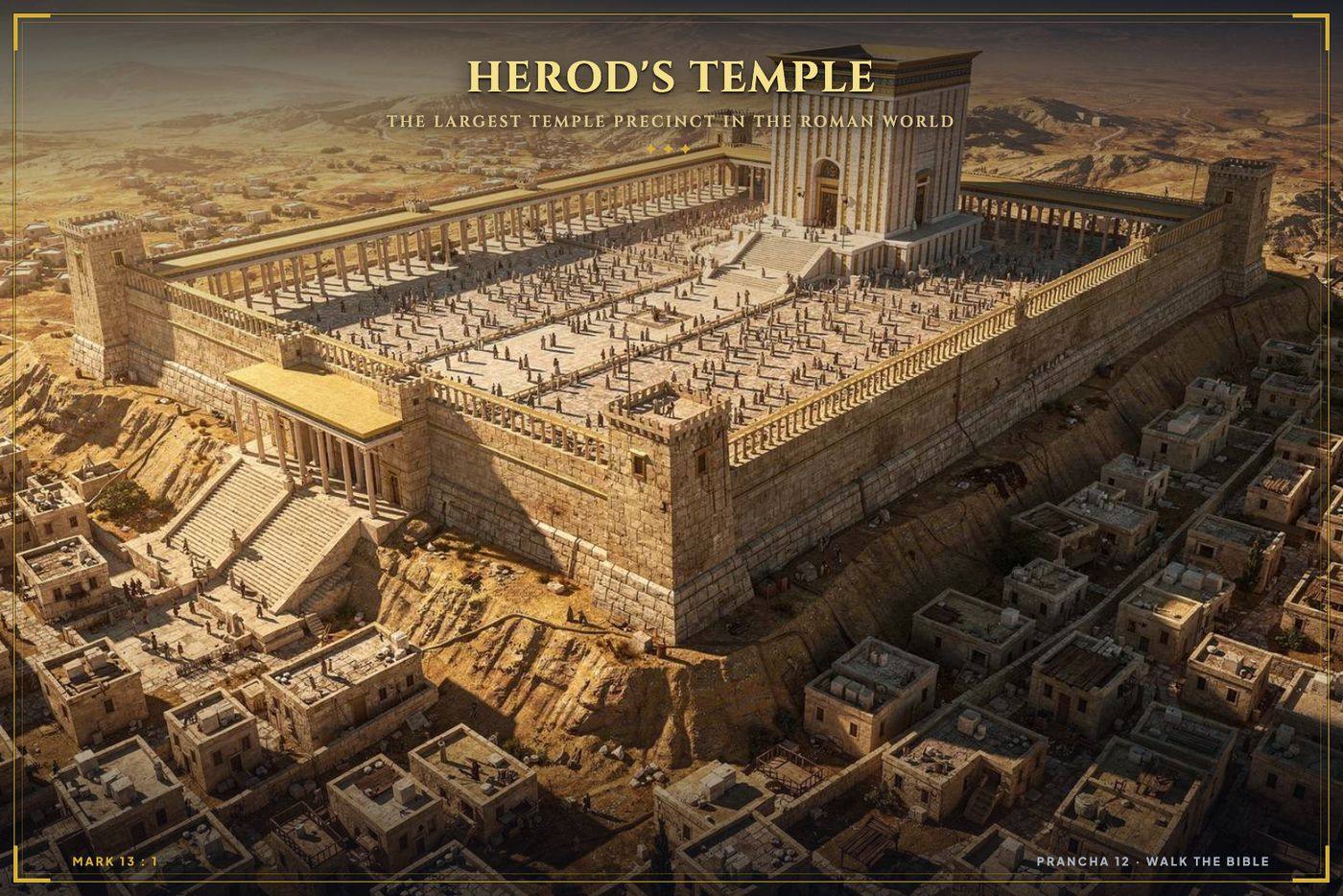
The huge outer platform, about thirty five acres, the largest religious precinct in the ancient world. Open to anyone alive. This is where the money changers sat, where Jesus taught, and where the tables went over.

A low stone barrier, about waist height, running around the inner courts. Set into it were slabs in Greek and Latin warning that any foreigner who went past was responsible for his own death. Two of those slabs have been dug up and still exist today.

Fifteen curved steps up, through the gate. The treasury chests stood here. This is the court where a widow put in two small coins and Jesus sat watching. Four great lampstands lit it during the Feast of Tabernacles.

A narrow strip, only a few metres deep, where Israelite men stood and watched the sacrifices being made for them. Close enough to see the altar. Not close enough to touch it.

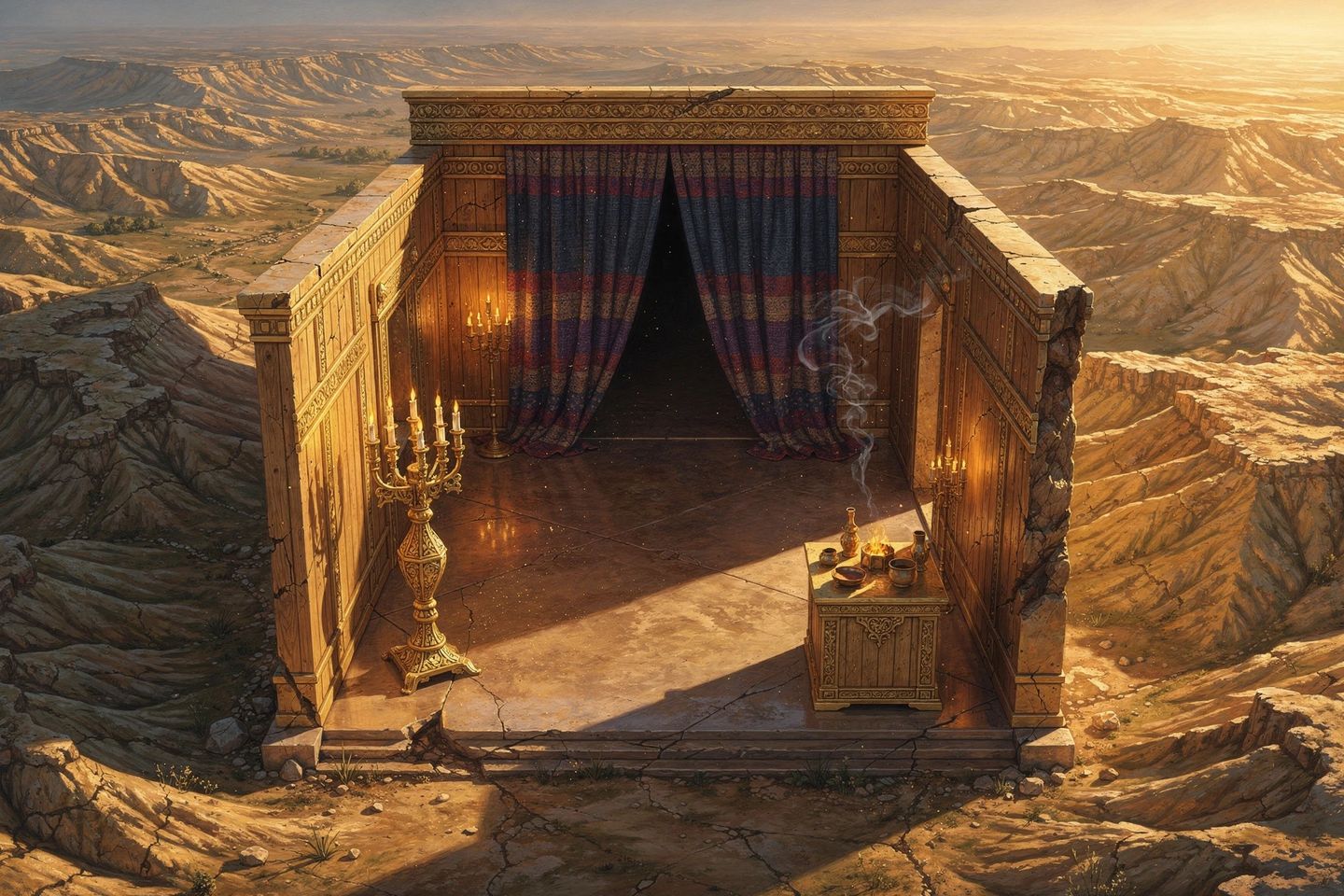
Inside the sanctuary itself: the lampstand, the table of showbread, the altar of incense. Zechariah was serving here, alone, when the angel came and told him about a son.

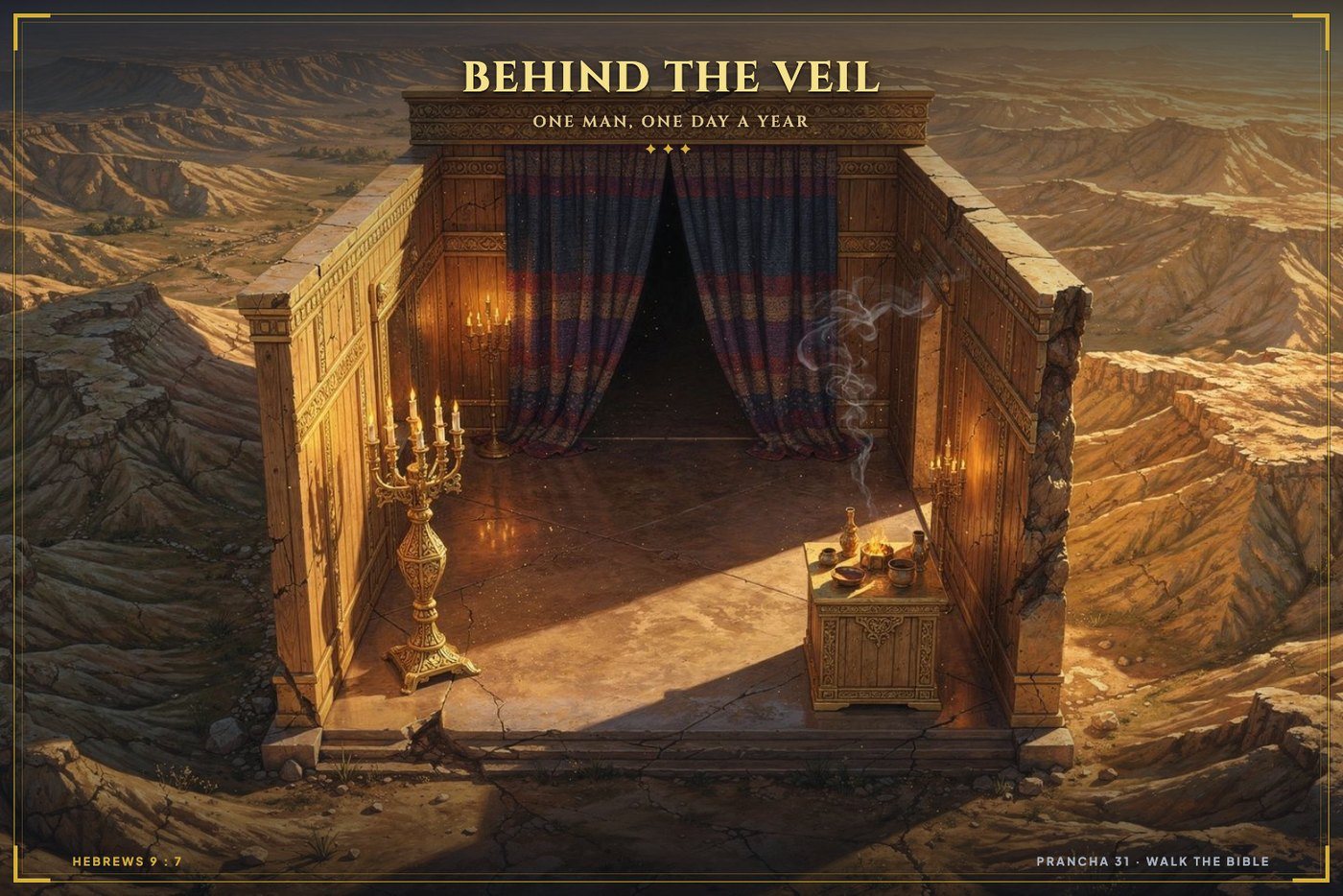
A perfect cube behind a curtain that the sources describe as a hand's width thick. In Herod's day the room stood empty. The Ark was long gone. One man went in, one day a year, and even then not without blood.

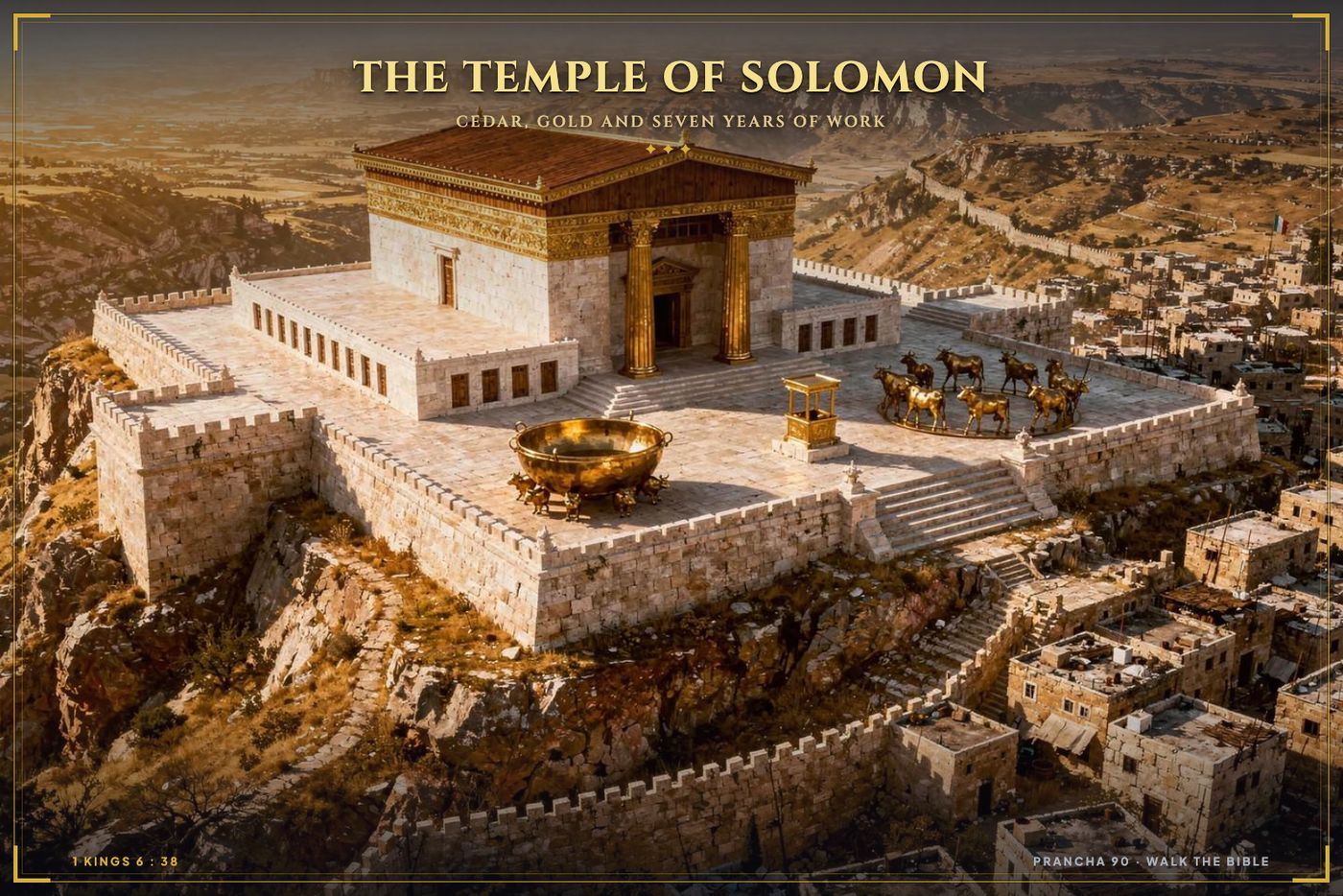
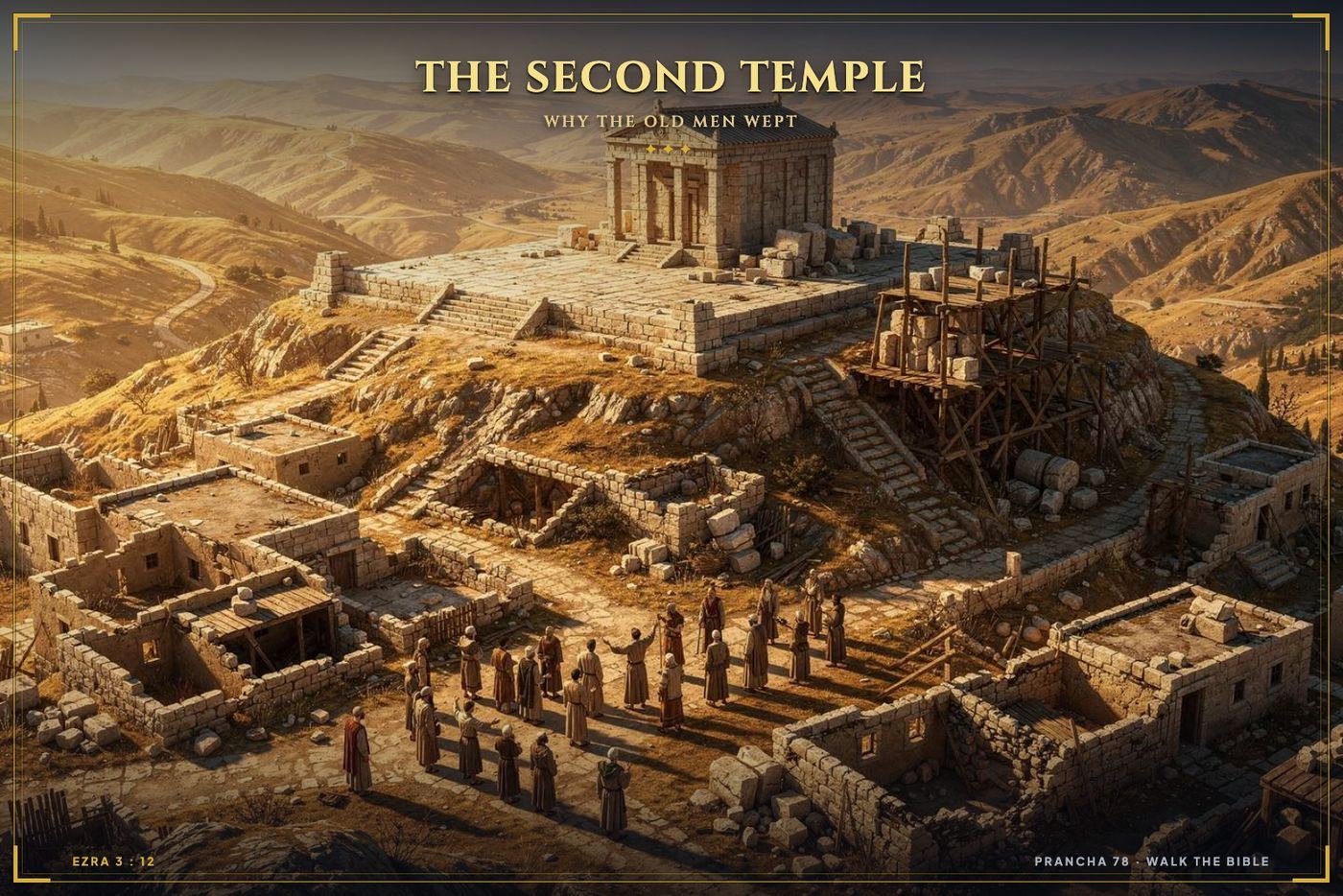
When the foundation of the second temple was laid, Ezra tells us the old men who had seen the first one “wept with a loud voice.” Everyone else was cheering. Draw the three buildings at the same scale and nobody has to explain why.
Sixty cubits long, twenty wide, thirty high. Cedar, gold, seven years of work and a workforce drafted from the whole kingdom.
1 Kings 6Rebuilt by the exiles who came home, with whatever they had. No ark, no visible glory, and to anyone who remembered the first one, plainly smaller.
Ezra 3 : 12The same sanctuary, wrapped in the largest temple platform in the Roman world. “What massive stones,” said the disciples. It stood for six years after it was finished.
Mark 13 : 1Bars shown at relative sanctuary height. The book gives the full comparison pages with plan, section and platform size.
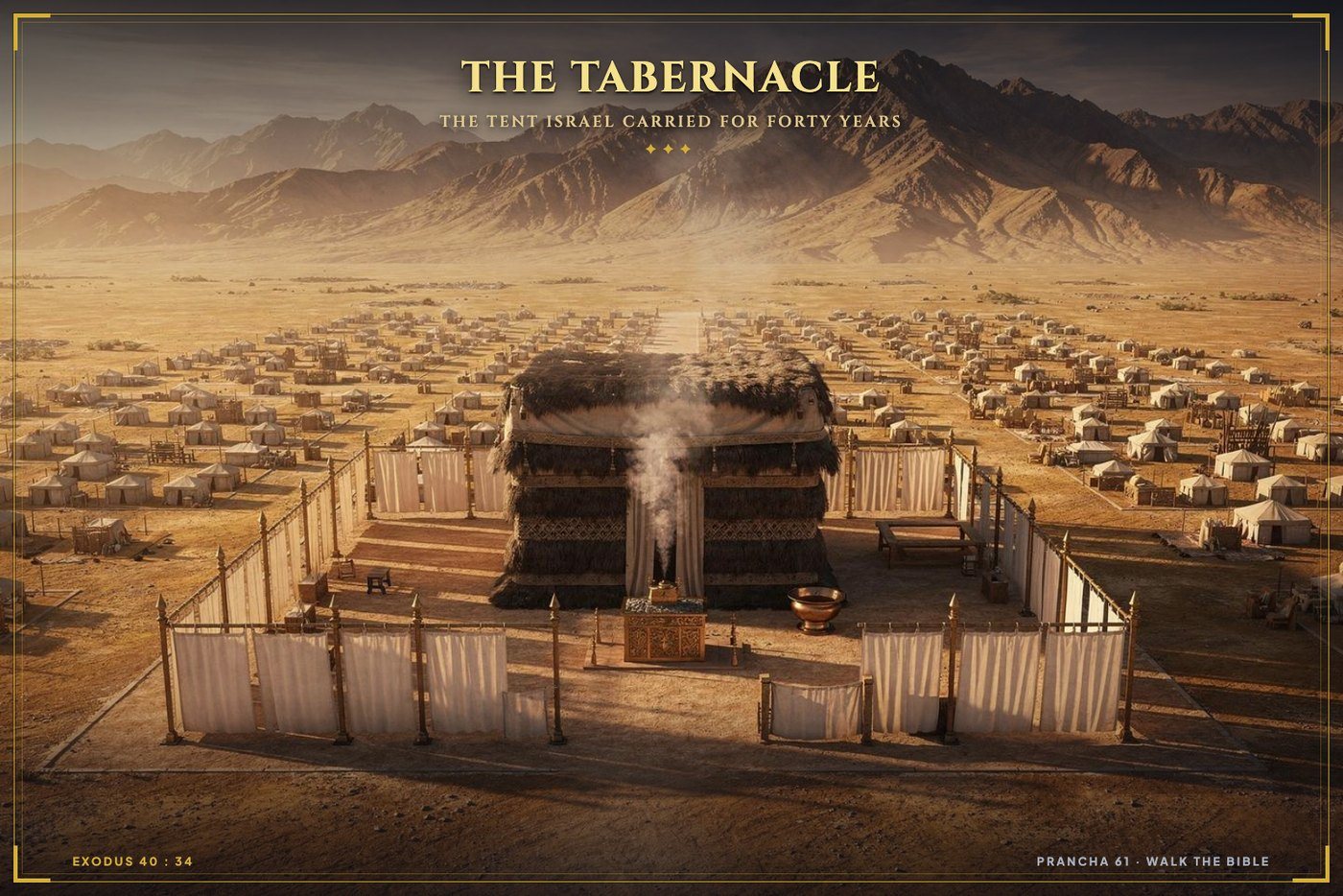
Court, frames, coverings and veil. The tent Israel carried for forty years, panel by panel.
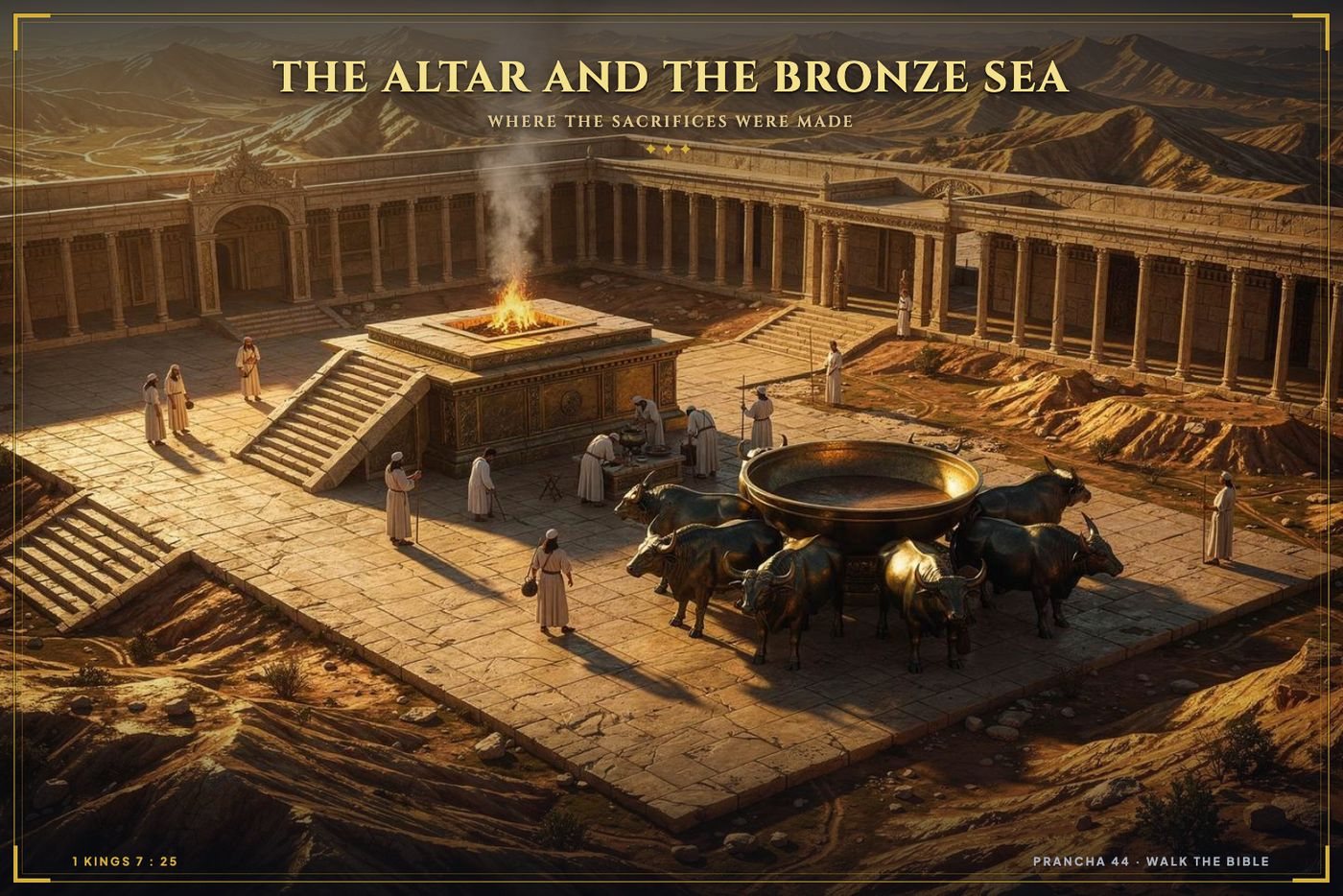
Plan, section, the two pillars, the bronze sea and the cherubim.
What the exiles who came home actually built, and how the sources describe it.
The full precinct. Courts, gates, porches, the Antonia and the tunnels underneath.
Bronze altar, altar of incense, Abraham on Moriah, Elijah on Carmel, Gilgal and Ebal.
Three hundred cubits by fifty by thirty. Three decks in cutaway, with the structure explained.
Ark of the Covenant, lampstand, table of showbread and laver, measured and drawn.
How Abraham's household actually camped, and where the altars stood.
Revelation describes a city shaped like a cube, twelve thousand stadia on a side. Drawn as described.
No blurred teasers. Three are open at full size. Look at them properly, then decide.
Exodus 25 to 40 and 1 Kings 6 to 7 stop being the chapters you skip on the way to the story.
A plan on the screen does in ten seconds what ten minutes of describing never manages.
Comparison pages with the sources named and the disagreements shown, not smoothed over.
You are not lazy. Nobody ever showed you what those numbers add up to.
Court, Holy Place, Most Holy Place and every object, drawn to scale.
value $19A cutaway across all three decks, showing how the frame described in the text holds together.
value $19Where the patriarchs camped and built, with the hills and the ground around them.
value $15One thousand years on a single sheet. Built, destroyed, rebuilt, destroyed.
value $12Every biblical measurement in feet and metres, with the range of values scholars actually use.
value $12Big plans and blank worksheets for classes and small groups.
value $20This price holds until midnight tonight, then it goes to $47.
Get instant access for $27 Secure checkout. Delivered in seconds.Encrypted checkout Card, PayPal and more Delivered in seconds
Every structure is drawn from the measurements the Bible gives, then checked against the standard works on archaeology and ancient architecture. Where the text says nothing about a detail, the page marks that part as a reconstruction rather than a description. Where 1 Kings and 2 Chronicles give different numbers, both are printed. Where scholars really do disagree, such as the shape of the roof of the Ark or the exact position of the second temple altar, the book says so and shows the main options. That is the difference between an atlas and an illustration.